Designing Beyond Your Boundary

Why Good Homes Belong to Their Streets

When planning a custom home, most conversations quite naturally turn inward.

We talk about lifestyle.

Light.

Flow.

Function.

Finishes.

What rarely comes up in the early stages is a broader question:

How will this home sit within its street once it is built?

It is an understandable oversight. When you are designing a forever home, the focus is on creating something deeply personal and reflective of your family’s needs. Inspiration boards, architectural magazines and international design trends often guide that vision.

Yet one of the most powerful design references is often much closer to home.

Quite literally, it is to the left, to the right, and across the street.
When Neighbourhoods Feel Right

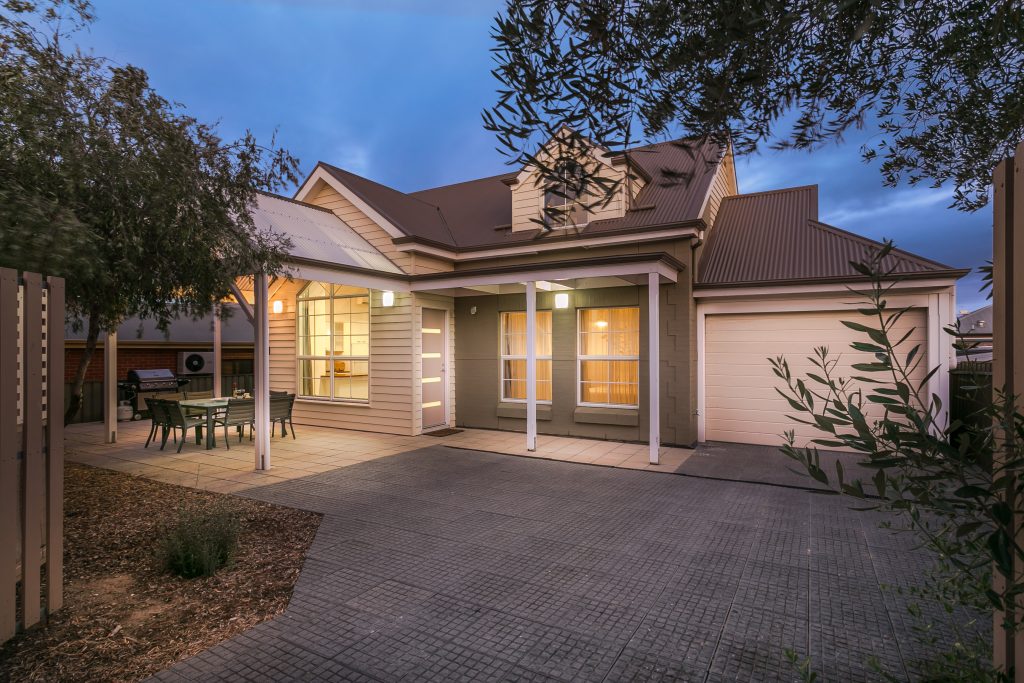
Drive through suburbs such as Glenelg South or St Peters and you will notice something subtle but significant.

The homes are not identical. They vary in age, materiality and architectural style. Yet they feel cohesive.

Setbacks align.

Scale feels proportionate.

Materials speak a similar language.

The result is not uniformity, but harmony. Each home has its own identity, yet contributes positively to the whole streetscape.

That sense of belonging is rarely accidental. It comes from design decisions that consider not just the block itself, but the wider environment in which the home will live for decades to come.

The Allure of the "Holiday at Home"

A noticeable trend in custom building is what could be described as bringing your holiday home with you.

Scandinavian minimalism.

Tropical pavilions.

Tuscan farmhouses.

Palm Springs modernism.

These styles are beautiful, and their appeal is easy to understand. They evoke emotion, memory and aspiration. Borrowing architectural language from other parts of the world is not new. It has been happening for centuries.

The challenge arises when a design is transplanted without adapting it to its new context.

Architecture does not evolve in isolation. It evolves in response to climate, landscape, available materials and culture. When those foundations are missing, the result can feel disconnected from its setting, even if it is impressive in isolation.

This is not about limiting creativity. It is about refining it.

Climate Always Has the Final Say

Adelaide has a very particular climate.

Hot, dry summers.

Mild, wet winters.

Low humidity and consistent south-westerly winds.

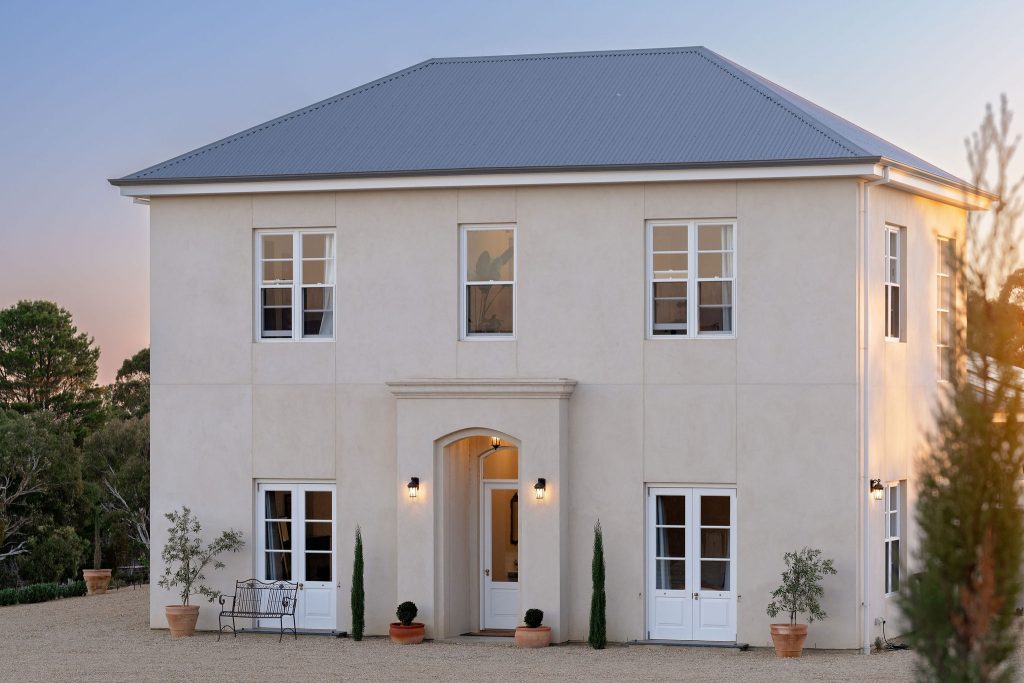
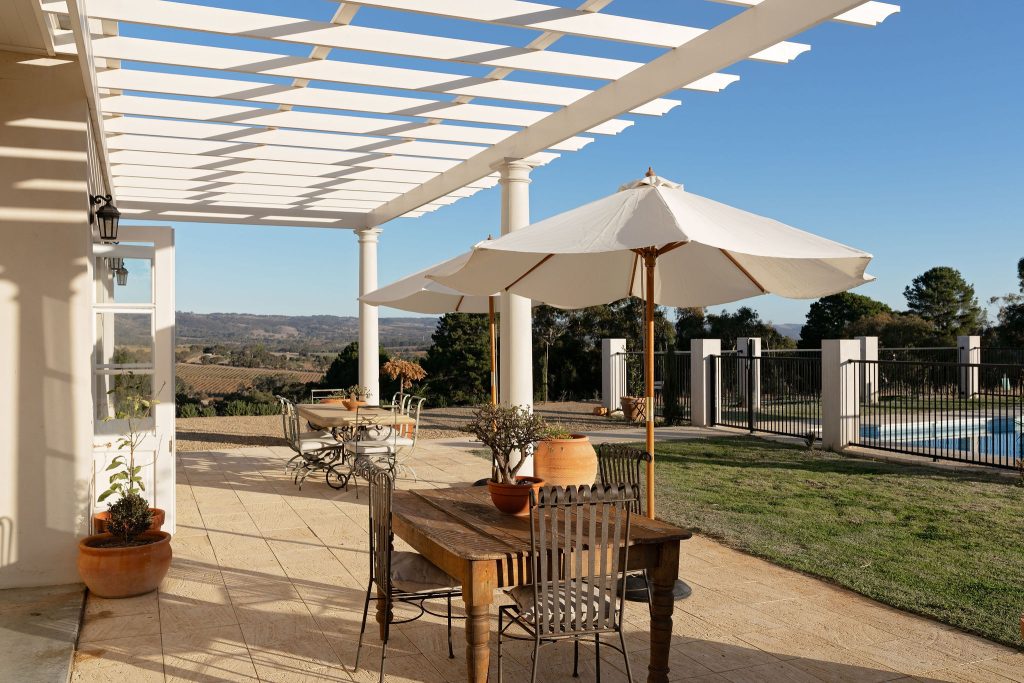
It is often compared to Mediterranean regions, and this comparison provides valuable design guidance. Thick thermal mass, shaded openings, careful orientation, durable external materials and protected outdoor living areas are not stylistic preferences. They are intelligent responses to environment.

The same thinking applies to landscaping.

Lush European or tropical gardens can look extraordinary in photographs, but in South Australia they often demand significant water use and ongoing maintenance. Over time, they can struggle against long dry summers.

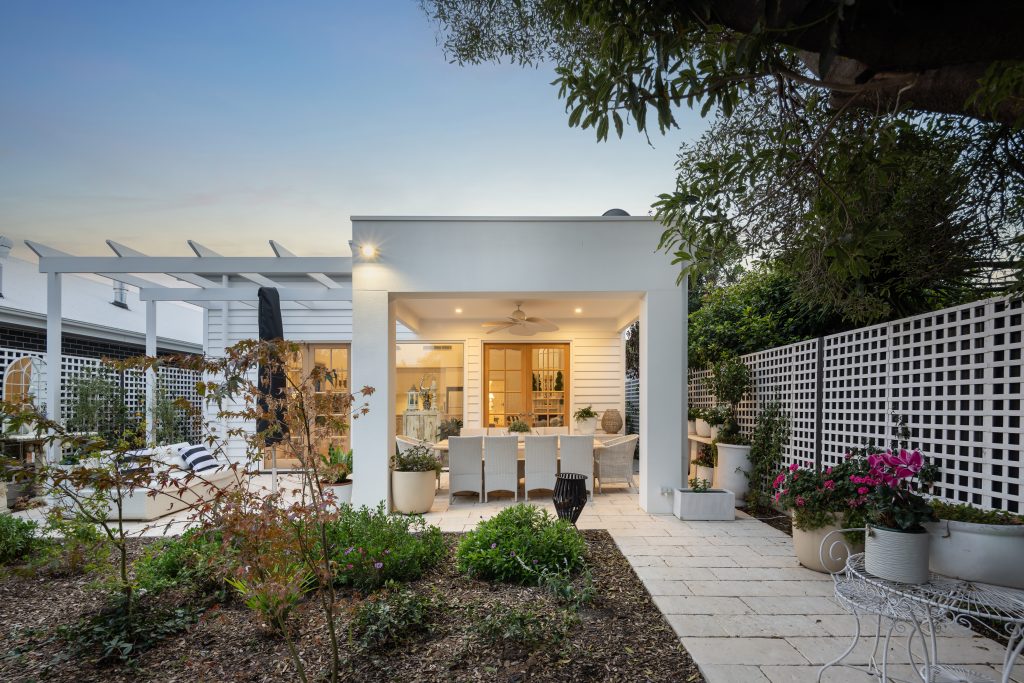
Well-considered, drought-tolerant landscaping, when thoughtfully designed, can be equally beautiful while being more sustainable, practical and aligned with place.

Good design does not fight its environment. It works with it.

When Contrast Becomes Conflict

Contemporary homes absolutely have a place in established suburbs. Streets should evolve.
However, there is a difference between contrast and conflict.

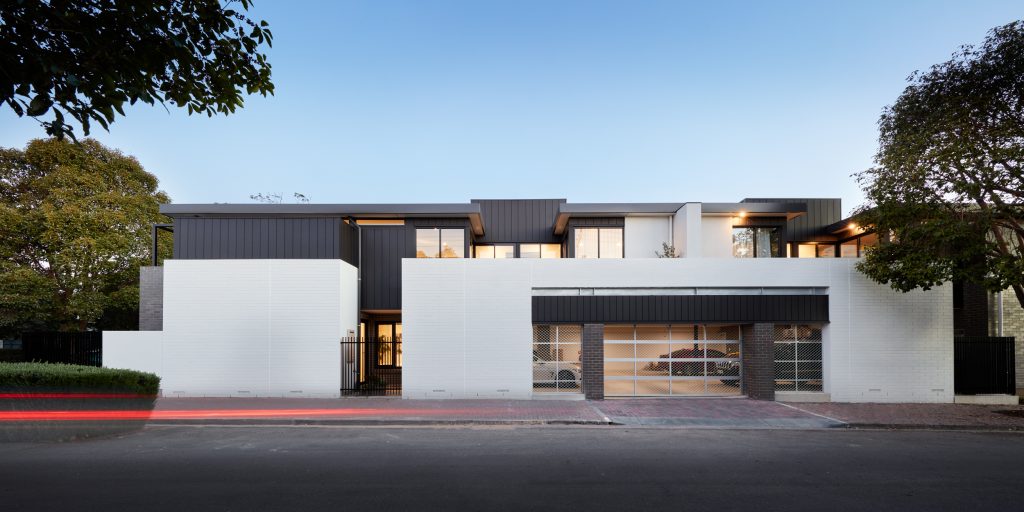
Placing a sharply minimalist cube between a 1910s bluestone villa and a red-brick bungalow may not achieve the bold statement imagined. Instead, it can disrupt the rhythm of the street.

With advanced 3D renders now readily available, it is easy to fall in love with a home viewed in isolation. A simple but revealing exercise is to place that same rendered image within a real photograph of the street. Context has a way of clarifying design decisions very quickly.

This does not mean new homes must replicate old ones. It means they should respond thoughtfully to scale, proportion and material cues already present.

Contextual design is not about blending in.

It is about belonging.

Where Creativity Can Flourish

The exterior of a home plays a public role. It contributes to the shared experience of a street and neighbourhood.

The interior is entirely different.

Inside your home is where personal expression can unfold freely. This is where global influences, bold ideas and distinctive details can come to life. These are the spaces where you entertain, retreat, connect and create memories.

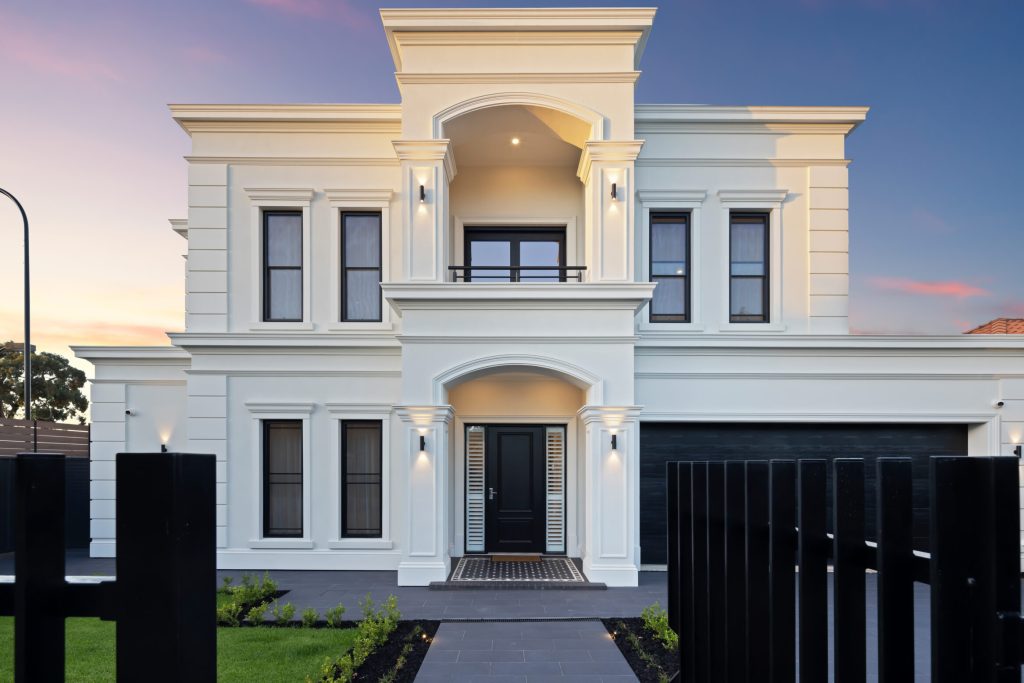
A well-designed home can honour its streetscape externally, while expressing individuality internally. The two are not mutually exclusive.

A Considered Approach

If you are building on a site with minimal council constraints, it can be tempting to focus solely on maximising internal space or pursuing the latest design movement.

Before committing, it is worth stepping back and considering the broader picture.

A well-resolved custom home:

- Serves its occupants beautifully
- Responds intelligently to climate
- Uses materials appropriate to place
- Enhances its neighbourhood rather than competing with it
- Ages gracefully over time

Good design does not stop at the boundary line.

It looks outward as well as inward.

And when that balance is achieved, the result is a home that feels not only exceptional, but enduring.

Start your journey

Our beautifully crafted homes are designed to protect, inspire and elevate your lifestyle.

Whether you’re ready to embark on your journey or simply exploring ideas, we’d love to hear from you.

Builders licence:
BLD173820

Email:
info@claridgeconstruction.com.au

Address:
1 Rowells Rd, Lockleys SA 5032

Phone:
(08) 8449 4490