Home Design for Family Connectedness

Bigger Homes ≠ Happier, More Connected Families

It is often assumed that a larger home naturally leads to a more harmonious family life. Research presents a more nuanced picture.

Perceived space over actual space

A study in the Journal of Environmental Psychology found that a family’s perception of their home space, whether they feel too crowded or too distant, has a stronger connection with family functioning than actual house size. Feeling too spread out from others was linked to lower emotional closeness and acceptance among family members, while feeling crowded correlated with strained communication. (ScienceDirect)

Emotional distance can mirror physical distance.

Large homes can inadvertently isolate

While generous homes offer privacy, they can reduce spontaneous interaction simply because family members are physically further apart or retreat to separate zones. In some cases, activity concentrates in only a few rooms, such as kitchens or family areas, leaving other spaces underutilised. (Finance & Commerce)

Quality of usage matters most

Homes with a central, well designed shared space, regardless of total size, are often better at fostering connection than expansive layouts where circulation fragments daily life. (Finance & Commerce)

The takeaway is clear: bigger is not automatically better. What matters most is how a home supports interaction and how those living within it feel in the space.

For clients designing substantial custom residences, this is reassuring. The solution is not less space. It is intentional planning.
Small Homes: Close Quarters Can Be Complex

Very compact homes present their own considerations.

Crowding can heighten stress

When a home feels too compact for the number of people living in it, perceptions of crowding are linked to reduced emotional expression and increased irritation. This extends beyond physical discomfort and influences social interaction.

Activity and movement are impacted

Smaller homes may constrain opportunities for different types of physical activity or leisure, particularly for children, which can indirectly influence wellbeing.

Importantly, however, smaller does not automatically mean unpleasant or compromised. When thoughtfully designed, compact homes can feel generous, efficient and highly connected.

Multi purpose living spaces, considered joinery, integrated storage and adaptable rooms allow one area to perform several functions throughout the day. Advances in technology, concealed cabinetry and transformable elements enable spaces to shift seamlessly from work zone to dining area, from guest retreat to media room. With intelligent planning, a smaller footprint can still support comfort, flexibility and meaningful interaction.

Equally, a smaller home does not need to be architecturally basic or less luxurious. Scale and sophistication are not the same thing. It is entirely possible to create a beautifully crafted home that feels refined, detailed and enduringly elegant while maintaining a modest internal footprint. Proportion, materials, natural light and precision in construction ultimately define quality, not sheer size.

In every case, balance is essential. A home should not feel compressed and pressured, nor so expansive that daily life unfolds in isolation.

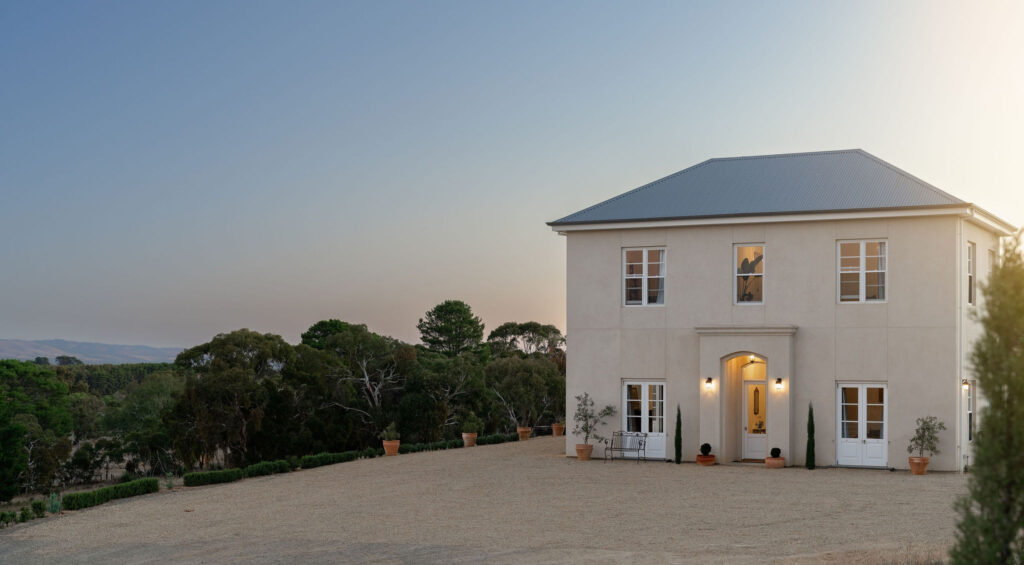
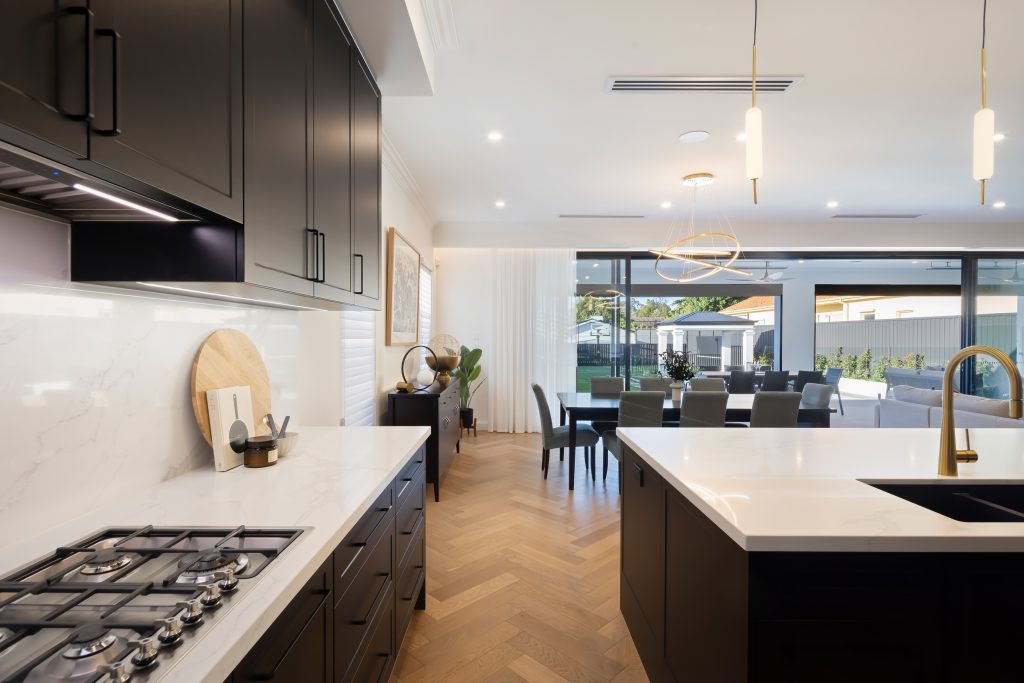
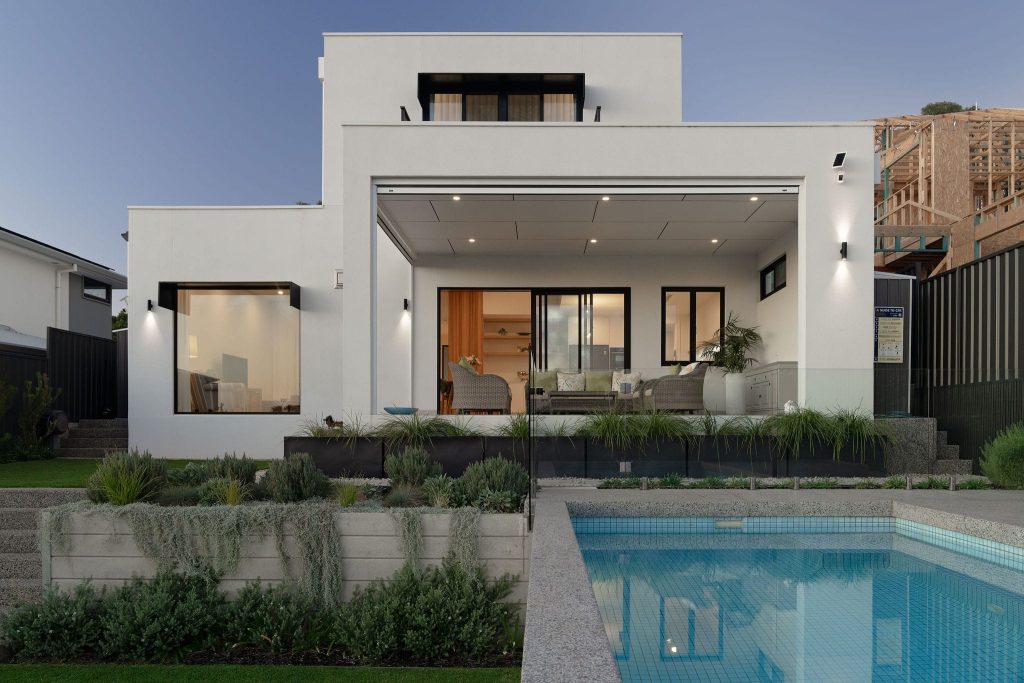
Woodforde Project 2025 by Claridge Construction

Layout and Flow: Where Design Truly Matters

Beyond overall size, spatial arrangement and room relationships play a defining role in connectedness.

Open and Shared Spaces Encourage Interaction

Homes with open or partially open floor plans, where kitchen, dining and living areas are visually and physically connected, tend to encourage communication and togetherness. People remain within sight and earshot of one another while undertaking different tasks.

This supports:

- easier conversation across shared zones
- natural interaction during daily rituals
- a sense of connection, even when activities differ

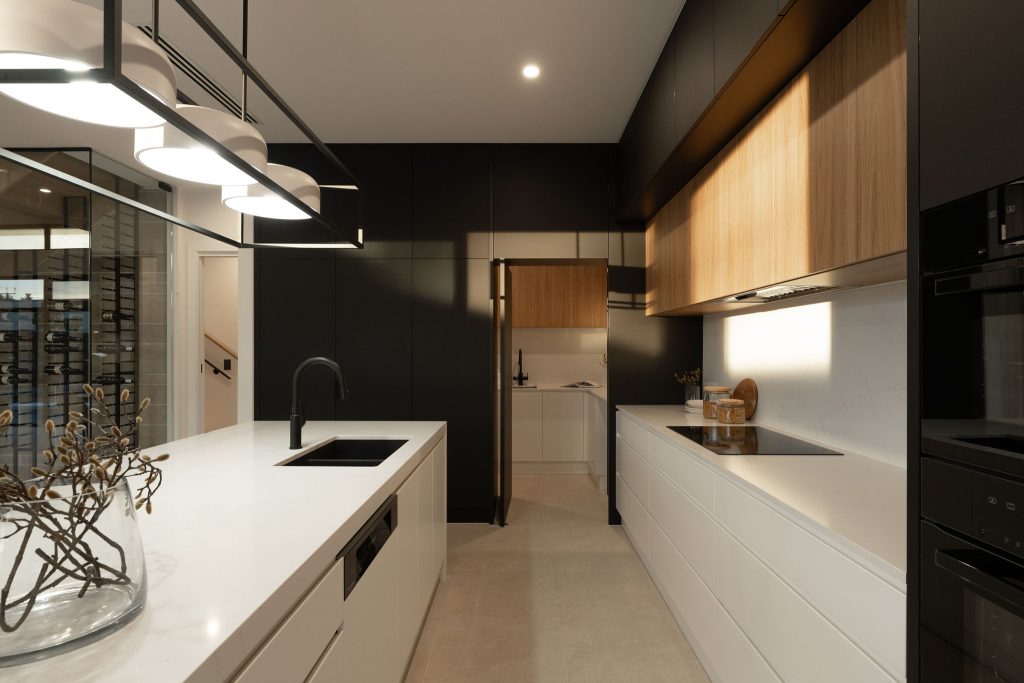
Kitchens and adjacent dining areas naturally bring family members together for meals and conversation.

From a developmental perspective, this arrangement also aligns with what psychologists describe as the Circle of Securityframework, which highlights that children explore and play more confidently when they feel securely connected to a caregiver. Research in attachment theory shows that children use parents or trusted adults as a “secure base” from which to explore their environment, even when there is no direct interaction occurring.

In practical terms, children often play more independently when they can see or sense a parent, grandparent or caregiver nearby. This has meaningful implications for residential design. Ensuring that play areas, living zones or the backyard connect easily, ideally on a single level, to the kitchen, the natural work hub of the home, supports both supervision and autonomy.

For many building a long term residence, this applies equally to visiting grandchildren. A well connected ground floor living zone allows adults to prepare meals, entertain or converse while younger family members feel secure enough to explore independently within sight.

The same principle extends to alfresco entertaining. When indoor living, kitchen and outdoor areas flow seamlessly together, connection is maintained across zones. Adults can host comfortably while children move between lawn, terrace and living spaces without feeling removed from the centre of activity.

When primary living spaces are separated from play zones, particularly across different levels, families often find children gravitating back to where the adult is. Toys migrate toward proximity. Not because attention is demanded, but because connection is instinctive.

Thoughtful planning anticipates this rhythm of family life. It allows adults to cook, host and relax while children or grandchildren feel securely connected and free to explore.

Balance Interaction with Privacy

While openness encourages connection, permanent exposure can be counterproductive.

Some individuals require quiet, private spaces for work, study or reflection in order to feel psychologically comfortable. Continuous openness can make retreat difficult.

A considered design approach integrates communal hubs with private retreats, including bedrooms, studies or quiet nooks. This allows connection without sacrificing restoration.

Human Experience Matters More Than Blueprints

A consistent theme across research is this: a home’s impact on relationships depends as much on lived experience as on architecture. How a family uses and feels within their space, including the balance of shared time and privacy, is central to fostering connection.

Design, therefore, is not merely technical. It is relational.

In custom residential work, this means understanding how clients live, how they gather, how they entertain and how they retreat. Circulation, sightlines, light and functional adjacency are shaped intentionally to support those patterns.

Practical Design Considerations

For those planning a new custom home, research suggests several principles worth prioritising:

Prioritise meaningful common spaces

Design kitchens, dining and living areas that naturally draw people together.

Design with flexibility

Incorporate adaptable zones and informal gathering points to support both communal and individual needs.

Balance openness with retreat

Visual connectivity supports interaction; private spaces support wellbeing.

Focus on perceived spaciousness

Light, proportion, sightlines and flow influence how generous a home feels as much as square metreage.

A Final Reflection

Home design is not simply about aesthetics or scale. It shapes the rhythms of everyday life.

Whether creating a forever residence, a refined downsizing home or a property designed for multi generational gatherings, prioritising spaces that foster comfort, connection and balance meaningfully influences family wellbeing over time.

The most successful homes are not defined by size alone. They are thoughtfully composed environments that support how people genuinely live, gather and grow together.

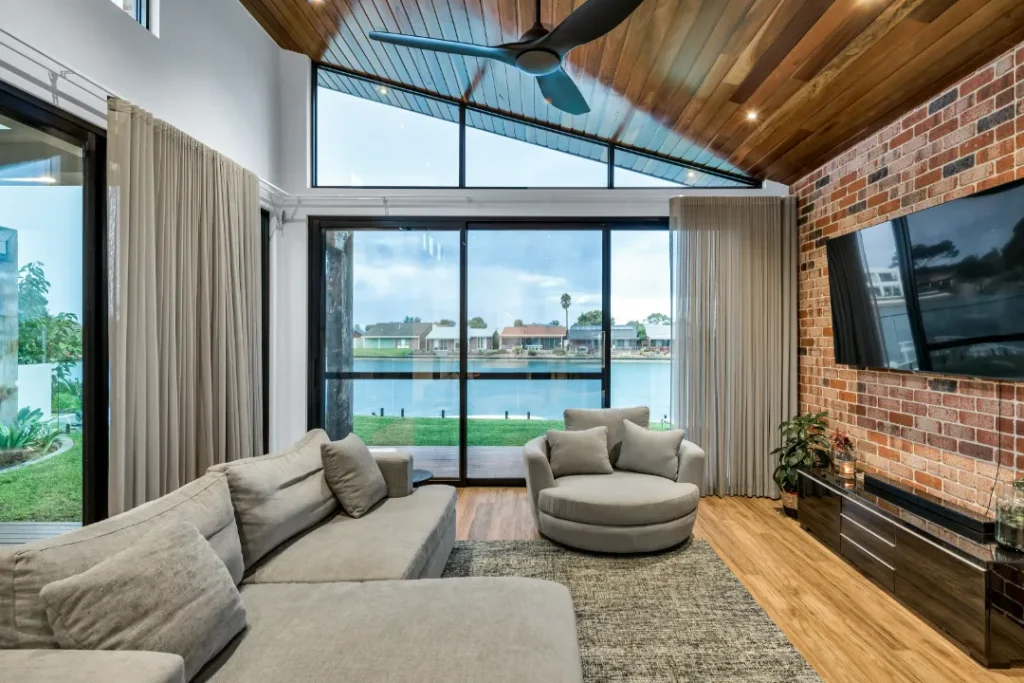
Lakeside Custom Home

Start your journey

Our beautifully crafted homes are designed to protect, inspire and elevate your lifestyle.

Whether you’re ready to embark on your journey or simply exploring ideas, we’d love to hear from you.

Builders licence:
BLD173820

Email:
info@claridgeconstruction.com.au

Address:
1 Rowells Rd, Lockleys SA 5032

Phone:
(08) 8449 4490