What Actually Makes a Sustainable Home?

What Actually Makes A Sustainable Home?

Is it made of recycled materials?

Does it have 20 solar panels and three rainwater tanks?

Induction cooktop? Evaporative air conditioning?

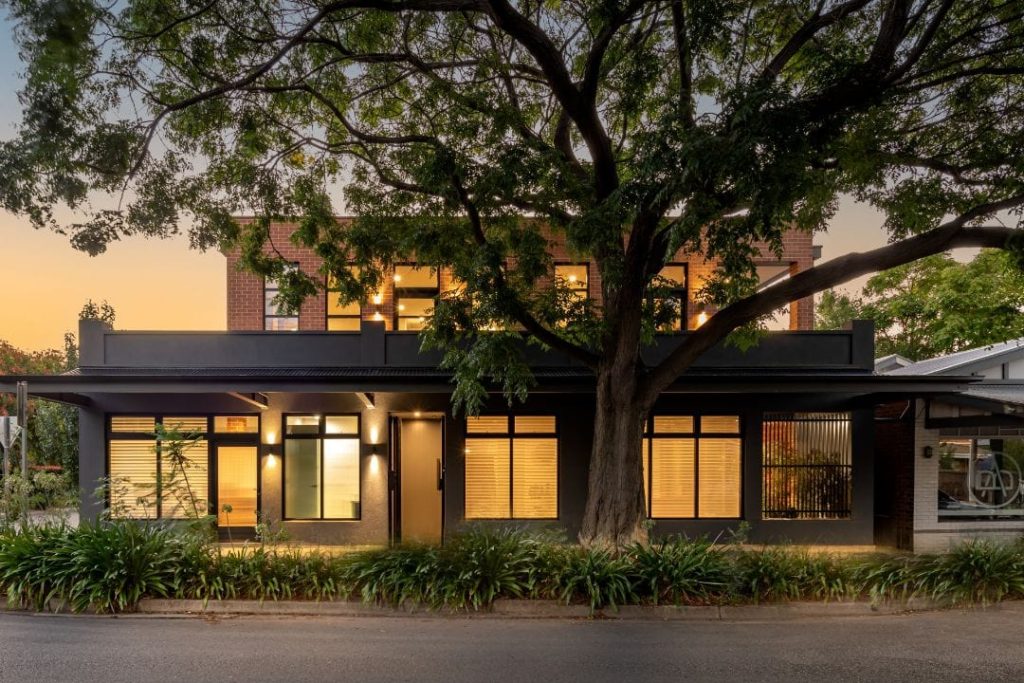
Lined with leafy green trees?

Do north-facing windows guarantee energy efficiency?

If you’re looking at building a home but care about the preservation of this planet we call home, you’ve probably pondered at least a few of these questions.

The word sustainability is thrown around a lot these days. Often it’s used as a sales tactic to push “green” products that sound impressive but can still come at an environmental cost when you consider the energy and resources required to manufacture them.

The truth is, a sustainable home is rarely defined by one feature. It’s layered. It’s considered. And it’s different for every family.

If you’re curious about the many ways you can lessen your environmental impact through thoughtful design, here’s a short summary of some of the strategies worth understanding.
Recycled Materials

There are two main kinds of recycled materials used in construction.

The first are new building products made from recycled waste. Things like plastic, glass, timber offcuts, and crushed concrete are broken down and reformed into bricks or composite materials. Many of these products offer high durability, good thermal performance, and impressive strength.

The second kind are preserved materials taken from demolished building sites. Solid timber planks, whole bricks, stone, steel framing, tiles. Materials that have already stood the test of time and are ready to do it again.

At Claridge Construction, part of what makes us unique is our love for the latter.

Using reclaimed materials as statement or accent pieces in a new build gives a home genuine character. It gives it a story. Old jetty pylons, jarrah panels, stones uncovered during excavation. These details add depth and texture that simply can’t be replicated by something mass-produced. When done properly, recycled materials can save money, reduce waste, and elevate the overall aesthetic of a home.

Solar Panels – The Facts and the Figures

In Australia, the benefits of solar panels almost always outweigh the initial cost.

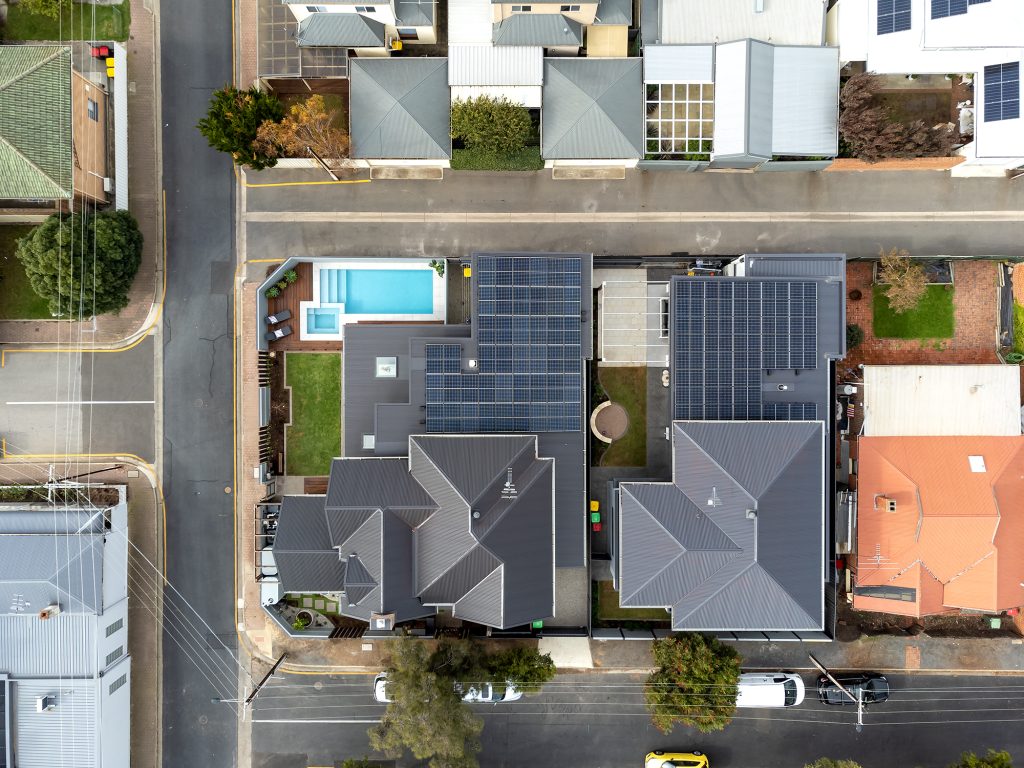
Yes, there is a significant upfront investment. But solar panels generate passive electricity year-round. They reduce reliance on the grid, protect you from rising energy prices, and significantly increase resale value.

Around one in three Australian homes now have solar installed, making us world leaders in solar energy production per capita. Government incentives have helped, but the real appeal is long-term savings and energy independence.

If budget allows, we recommend making space for solar early in the design process. Strategic decisions during selections can help offset the cost. It’s one of the clearest examples of sustainability aligning with financial sense.

Appliances – Induction? Gas? Alternatives?

Appliances are another area where sustainability gets complicated quickly.

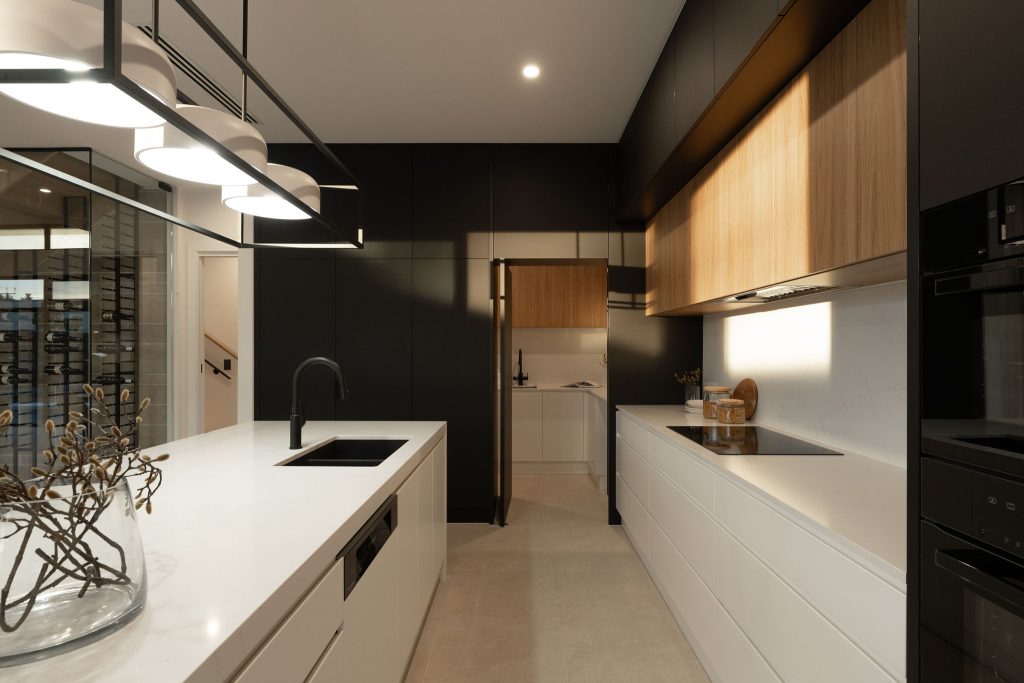
What’s the environmental impact of a gas cooktop? Is induction actually better? What about heating and cooling systems?

There are figures and comparisons for all of it, and the “right” choice often depends on the broader context of your home. Are you running on solar? How well is your home insulated? What’s your usage pattern?

Rather than viewing appliances in isolation, it’s more helpful to see them as part of a bigger system. A sustainable home isn’t about chasing the latest trend. It’s about understanding how each decision contributes to the overall performance of your home.

Passive Solar Design – The Basics

If you’ve done even a small amount of research, you’ve probably heard this term.
Here’s the simplified version.

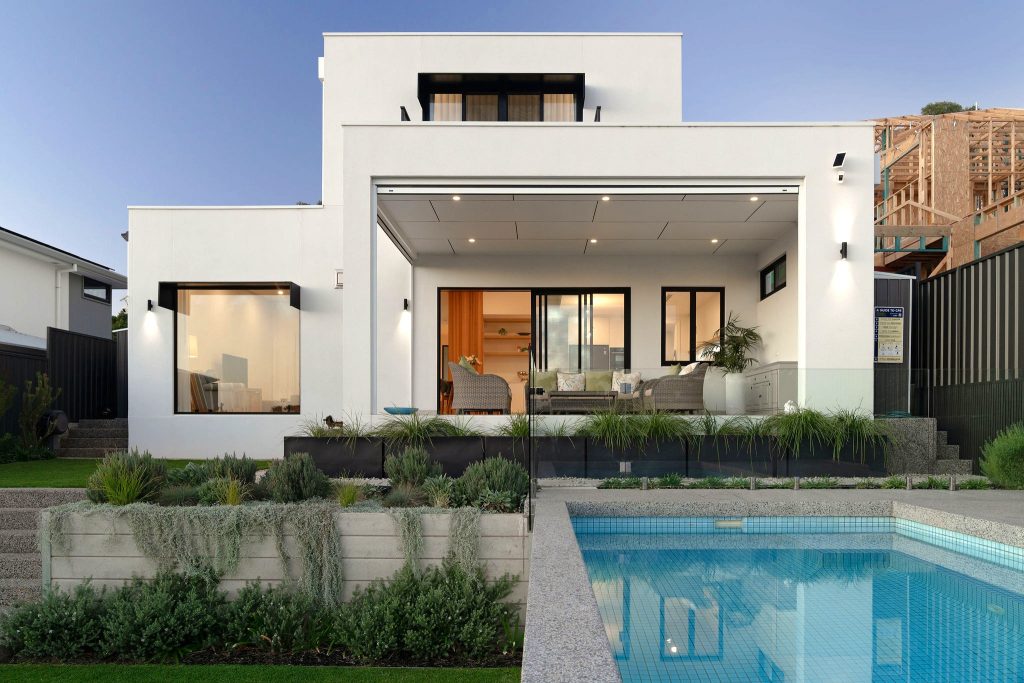
In South Australia, the summer sun travels high and almost directly overhead at its peak. That means east and west facing windows are exposed to intense morning and afternoon sun. In winter, the sun’s path is much lower, rising in the north-east, sitting low in the northern sky, and setting north-west.

North-facing windows receive lower intensity sunlight for most of the winter day. South-facing windows, in our climate, never see direct sunlight.

When you understand this, you can design accordingly.

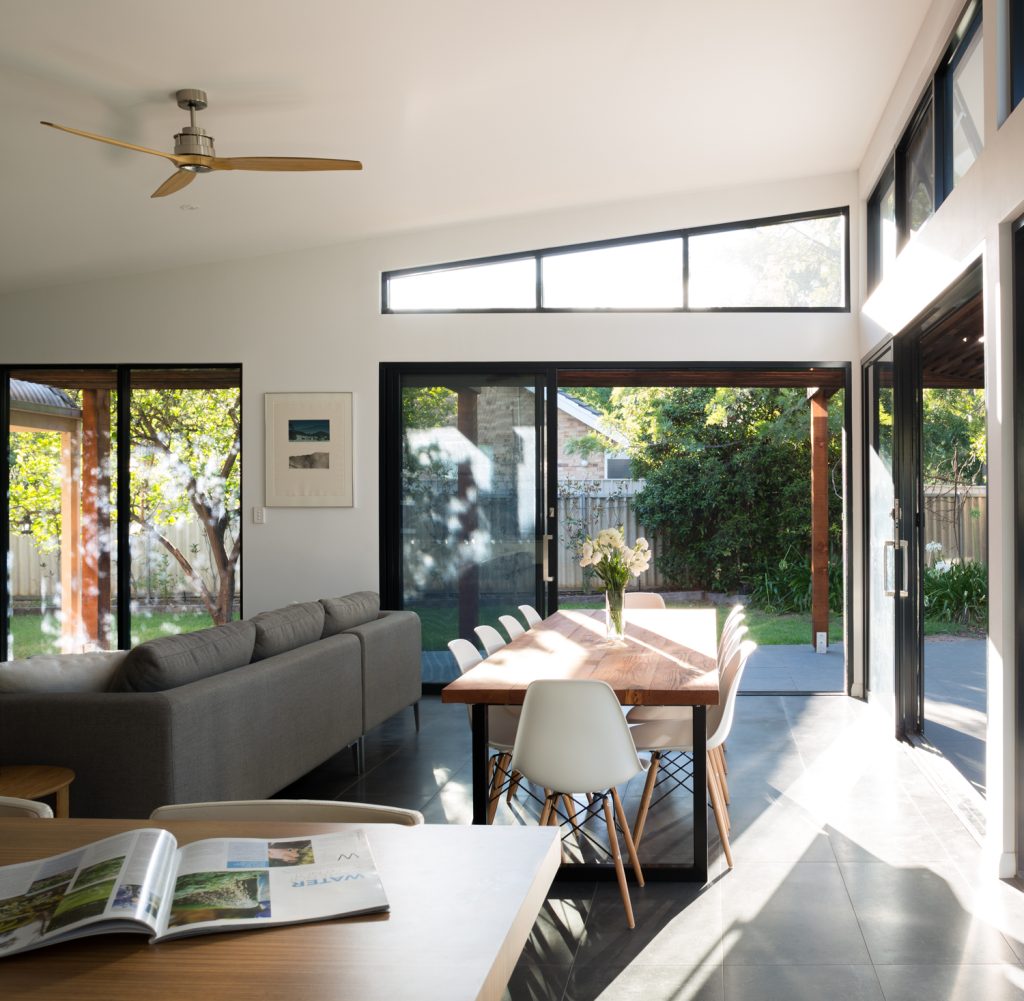
Maximise north-facing glazing to capture winter warmth. Carefully manage east and west exposure to reduce summer heat gain. Use shading where it matters. Consider ceiling heights and room orientation to support this strategy.

Passive solar design isn’t about making a home look clinical or overly engineered. It’s about working with nature instead of against it. When done well, it feels intuitive, comfortable, and beautiful.

We’ll explore this topic in much more detail in a future article, because it deserves its own space.

Sustainable Landscaping – It's Not Just About Water

Sustainable landscaping is often reduced to water efficiency. And yes, climate-appropriate plants can dramatically reduce irrigation needs and ongoing maintenance.

But landscaping also plays a major role in temperature control.

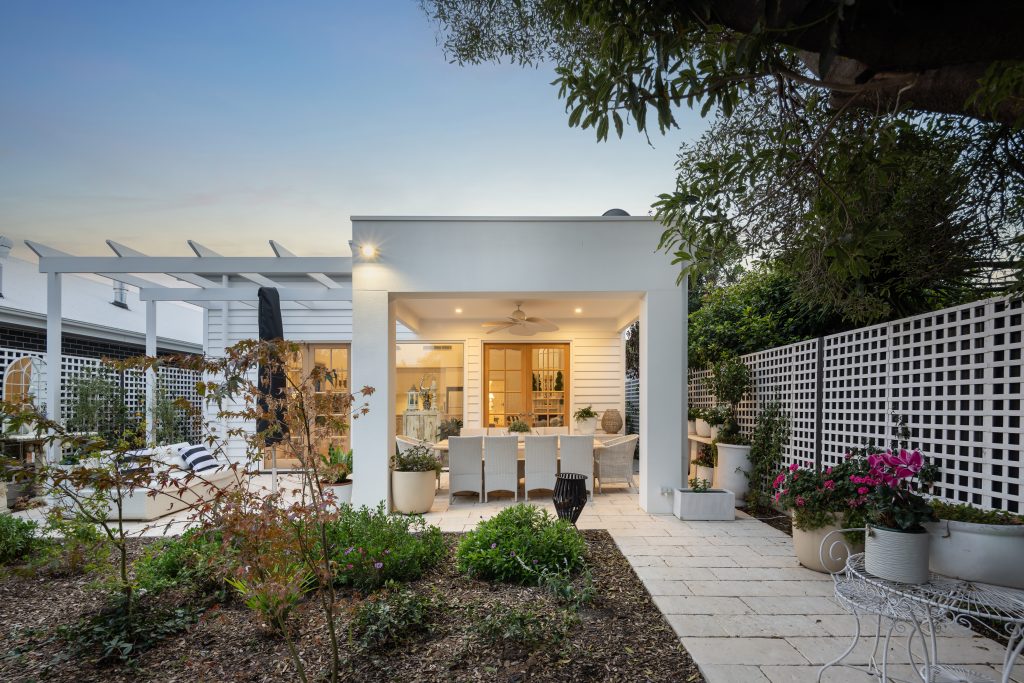
Drought-tolerant trees and established vines can shield parts of your home from harsh summer sun, easing the load on your air conditioning. Well-placed greenery absorbs and deflects heat before it hits your walls and windows. Some homeowners choose rows of trees. Others build pergolas and let vines create natural canopies. Even climbing plants on external walls can provide both insulation and a striking visual effect.

It’s functional and beautiful at the same time.

Every Effort Counts

Sustainability in home design is complex. It involves materials, orientation, appliances, systems, and lifestyle. It’s not a box you tick by adding a single feature.

But here’s the important part: making any conscious effort is commendable.

Whether it’s incorporating reclaimed materials, investing in solar, planting trees strategically, or simply paying attention to orientation during design, each decision contributes to a home that treads more lightly on the environment.

A sustainable home isn’t about perfection. It’s about intention. And when those intentions are supported by good design, the results speak for themselves.

Start your journey

Our beautifully crafted homes are designed to protect, inspire and elevate your lifestyle.

Whether you’re ready to embark on your journey or simply exploring ideas, we’d love to hear from you.

Builders licence:
BLD173820

Email:
info@claridgeconstruction.com.au

Address:
1 Rowells Rd, Lockleys SA 5032

Phone:
(08) 8449 4490